
Inventory accuracy does not fail in a spreadsheet. It fails on the floor.
A pallet is received but cannot be found later. A tote is staged near the wrong dock, or a shipment looks complete in the warehouse management system while the outbound lane still has missing assets. Each small gap creates extra work, and each extra check slows the operation.
RFID warehouse management helps close that gap by giving physical inventory a digital signal. Instead of relying only on manual barcode scans, clipboards, or periodic cycle counts, warehouses can use RFID tags, readers, antennas, and software to track assets as they move through the building.
But RFID is not magic. Reading more tags does not automatically create better inventory data.
The real value comes when raw RFID reads become trusted warehouse events. A basic read says a tag was detected. A useful event says a pallet crossed inbound dock door 4, a rack moved into staging, a tote entered the wrong zone, or an outbound shipment was validated before release.
That is the difference between more data and better warehouse control.
RFID warehouse management starts with inventory trust

RFID warehouse management is the use of RFID technology to track inventory, assets, and movement inside warehouse operations. It can support receiving, put-away, storage, replenishment, picking, packing, shipping, returns, yard movement, and returnable container tracking.
At a basic level, the system is simple. An RFID tag gives an item or asset a digital ID. A reader and antenna detect the tag when it enters a read zone. Software then connects that read to a business record, such as an item, pallet, order, shipment, container, tool, or storage location.
That sounds simple, but the warehouse is not simple.
Inventory moves constantly. Workers pick, stage, load, replenish, count, correct, and reroute assets all day. A warehouse management system may show where inventory should be, but the floor decides what is actually true. When those two views split apart, teams spend time searching, checking, and reconciling.
RFID warehouse inventory management is useful because it can capture more of those physical changes automatically. It can help teams see what was received, what moved, what stayed in place, and what may need attention.
| Warehouse problem | What RFID helps capture |
|---|---|
| Missing pallets | Last detected zone or movement event |
| Receiving errors | Tagged assets detected at the inbound dock |
| Misplaced totes | Zone-level movement or location history |
| Manual cycle counts | More frequent inventory reads |
| Wrong outbound shipments | Dock-door validation before release |
| Stockouts and overstocks | More current inventory signals |
This matters because warehouse automation depends on inventory trust. A system cannot route, replenish, pick, or ship well if the data behind those actions is stale or wrong.
RFID warehouse management gives teams a better way to connect physical movement to digital records, but only when the system can separate useful reads from noise.
How RFID warehouse tracking works from dock to storage
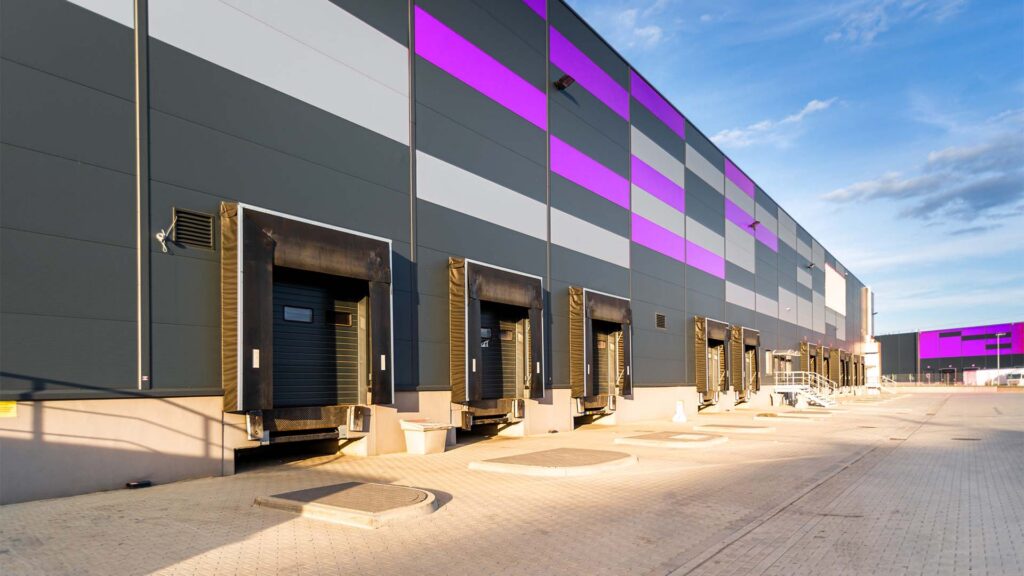
RFID warehouse tracking uses several parts working together: tags, readers, antennas, edge processing, software, and system integration.
A tagged pallet arrives at receiving. RFID readers detect it at the dock. The software checks the read against an expected shipment, purchase order, or advance ship notice. The pallet then moves to staging, storage, picking, cross-dock, or shipping. As it moves, the system can update its history, trigger alerts, or send events into a WMS, ERP, MES, or other business system.
A WMS manages warehouse movement and storage. An ERP manages broader business records such as purchasing, orders, finance, and inventory data. RFID becomes more useful when it can feed both with trusted movement data.
Fixed readers and handheld readers play different roles.
Fixed readers are used at places where movement should be captured automatically, such as dock doors, portals, conveyors, entry points, cabinets, shelves, or key zones. Handheld readers support cycle counts, exception checks, locating tasks, and mobile workflows for operators.
| RFID component | Role in warehouse management |
|---|---|
| RFID tag | Gives each item or asset a digital ID |
| Antenna | Shapes the read zone |
| Reader | Detects tag signals |
| Edge software | Filters and interprets reads near the point of activity |
| Platform software | Creates reports, alerts, rules, and dashboards |
| WMS or ERP integration | Turns RFID events into operational updates |
This is where warehouse asset tracking moves past simple identification. A tag read tells the system something was detected, while software decides whether that read means the asset was received, staged, loaded, misplaced, returned, or ignored as noise.
Acceliot’s Visibility Platform, or AVP, is designed around this kind of asset data orchestration. It can support real-time reporting, asset history, inventory reports, custom rules, multi-facility zones, users, devices, and API-based integration. Acceliot Mobile extends that workflow into operator tasks such as tag commissioning, bulk association, inventory and cycle counting by zone, GPS geotagging, and locating tags by ID or zone.
That combination matters because a warehouse rarely uses only one capture method. A dock door may need fixed readers. A supervisor may need a handheld. A stockroom may need zone reports. An executive may need dashboards across multiple sites.
The goal is one asset record, not another disconnected data stream.
Why inventory accuracy in warehouses breaks down
Inventory accuracy in a warehouse breaks down when physical movement is faster than the system record.
That can happen in obvious ways. A worker misses a barcode scan. A pallet is placed in the wrong staging lane. A tote is moved without a system update, or a shipment is loaded before someone catches the mismatch.
It can also happen in less obvious ways. A dock door gets congested. Two pallets move close together. Read zones overlap. An RFID reader detects a nearby tag that did not actually cross the threshold. The same tag is read multiple times, or a tag from an adjacent area gets pulled into the data stream.
This is why RFID warehouse tracking needs more than stronger hardware.
A raw read is not the same as a trusted event.
| Raw RFID read | Trusted warehouse event |
|---|---|
| Tag 123 was detected | Pallet 123 crossed inbound dock door 4 |
| Tag 456 was read five times | Tote 456 is now staged in zone B |
| Tag 789 appeared near a reader | Rack 789 did not cross the threshold |
| Tag 321 was detected outbound | Shipment item 321 was loaded at the correct door |
The difference is context.
For a warehouse operator, “tag 123 was detected” is not enough. The useful answer is whether that tagged asset was received, moved, loaded, misplaced, or ignored. That answer depends on reader placement, antenna design, time, location, expected workflow, and software rules.
Dock doors are one of the hardest places to get this right. They are busy, dense, and full of motion. Pallets, forklifts, carts, returnable containers, and workers move near each other. Tags may be read from nearby lanes, adjacent conveyors, or staging areas. When those reads are not filtered properly, the WMS may receive bad data, which creates manual reconciliation and delays.
Acceliot’s Smart Space Portal was built to solve this dock-door problem. It uses supervised machine learning with existing RFID infrastructure to filter stray and duplicate reads, then report true pallet and item movement events. That turns the dock door from a noisy read zone into a more trusted control point for receiving, shipping, and inventory reconciliation.
This is the core point for warehouse leaders: RFID improves inventory accuracy when the system can tell which reads matter.
How automated inventory management changes warehouse work
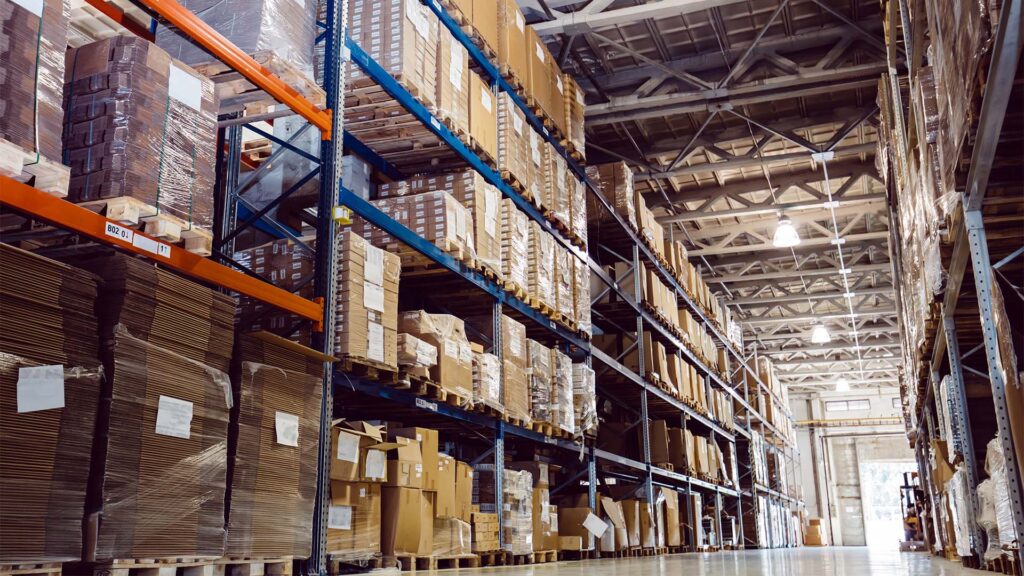
Automated inventory management is not just about counting faster. It is about shrinking the delay between what happens on the floor and what the system knows.
That delay is where problems grow.
If an inbound pallet is received but not updated quickly, teams may assume it is unavailable. If a tote moves to the wrong zone, it may sit until someone searches for it. If a shipment leaves with the wrong asset, customer service, transportation, and finance may all deal with the impact later.
RFID warehouse management helps reduce those blind spots by capturing movement closer to the moment it happens.
Common warehouse automation use cases include:
- Automated receiving
- ASN verification
- Dock-to-stock updates
- Zone-level inventory checks
- Replenishment triggers
- Picking and packing validation
- Outbound shipment verification
- Returnable container tracking
- Yard and trailer movement
- Exception alerts for missing, misplaced, or wrong assets
| Workflow | Manual process | RFID-enabled process |
|---|---|---|
| Receiving | Workers scan pallets and compare paperwork | Tagged assets are detected and matched to expected receipts |
| Cycle counting | Teams count inventory by aisle or zone | Readers and handhelds update counts more often |
| Replenishment | Staff check shelves or wait for system flags | RFID signals support faster restock triggers |
| Shipping | Workers scan and reconcile outbound items | Dock reads validate what leaves |
| Exceptions | Supervisors search manually | Location history narrows the search area |
The operational benefit is not only labor savings, although reducing manual scans matters. The larger gain is data confidence. When teams trust the data, they can act faster.
A receiving team can confirm what arrived. A fulfillment team can spot missing assets earlier. A warehouse manager can see which zones are congested. A supply chain leader can compare ERP inventory records with actual warehouse stock more often than a scheduled physical count allows.
This is also where automated inventory management starts supporting broader warehouse automation. Robotics, replenishment systems, labor planning, dock scheduling, and analytics all depend on clean asset data. If the system does not know what inventory is present, where it is, and whether it moved correctly, automation can only go so far.
Acceliot’s warehouse positioning connects RFID and RTLS to use cases such as inventory control, smart shipping and receiving, automated restocking, entry door portals, smart shelves, and space optimization. Its AVP software adds the reporting, history, rules, zones, and integration layer needed to turn RFID warehouse tracking into operational insight.
The warning is simple: do not treat RFID as a hardware-only project.
The best results come from a full system plan that includes tag strategy, RF site design, antenna placement, edge filtering, software rules, dashboards, operator workflows, and enterprise integration.
What to look for in an RFID warehouse management system
A good RFID warehouse management system should produce business-ready data, not just device data.
That means the system should help warehouse and IT teams answer practical questions:
- What asset is this?
- Where was it last detected?
- Did it move through the right checkpoint?
- Is it in the correct zone?
- Does this movement match the expected workflow?
- Should the WMS, ERP, or operator be alerted?
When evaluating RFID warehouse inventory management, look at the full stack.
Key requirements include:
- Tag strategy for pallets, totes, cartons, racks, tools, containers, and high-value assets
- Fixed reader and handheld support
- Antenna design for dock doors, shelves, portals, zones, and chokepoints
- Edge filtering to reduce duplicate reads, stray reads, and false events
- Real-time dashboards and inventory reporting
- Asset history and audit trails
- Rule-based alerts and exception handling
- Integration with WMS, ERP, MES, TMS, YMS, or analytics platforms
- Multi-site support
- Security, user roles, and governance
- Deployment services and RF site expertise
This is where buyer expectations should be clear. A warehouse does not need another isolated system that creates more work for the team. It needs a trusted inventory signal that follows the asset from dock to shelf to shipment.
Acceliot fits this need through a full-stack approach. STARflex readers, third-party reader support, AVP, AEP, Smart Space Portal, mobile workflows, sensor fusion, reporting, and deployment expertise can work together to create a practical RFID warehouse management strategy.
For a dock-heavy distribution center, that may start with inbound and outbound validation. For a fulfillment operation, it may focus on inventory visibility and replenishment. For a manufacturer, it may connect warehouse asset tracking with work-in-process, tools, racks, and returnable transport items.
The best RFID warehouse management system is not the one that reads the most tags. It is the one that helps the warehouse trust what those reads mean.
FAQs about RFID warehouse management
What is RFID warehouse management?
RFID warehouse management uses RFID tags, readers, antennas, and software to track inventory and assets inside warehouse operations. It can support receiving, storage, staging, picking, packing, shipping, returns, and cycle counting by capturing asset movement without relying only on manual scans.
How does RFID improve inventory accuracy in a warehouse?
RFID improves inventory accuracy by capturing asset movement closer to the time it happens. It can help teams verify receiving, track movement between zones, reduce missed scans, support more frequent inventory checks, and validate outbound shipments before they leave the facility.
What is the difference between RFID warehouse tracking and barcode scanning?
Barcode scanning usually requires a worker to see the label and scan items one at a time. RFID warehouse tracking can detect tagged assets through radio signals, often without direct line of sight. This makes RFID useful for high-volume movement, dock doors, portals, storage zones, and automated inventory workflows.
Can RFID connect to a WMS or ERP system?
Yes. RFID systems can connect to a WMS, ERP, MES, TMS, YMS, or analytics platform through software integrations and APIs. The value comes from sending clean warehouse events, such as received, moved, staged, loaded, or shipped, into the systems that run the operation.
What warehouse assets can be tracked with RFID?
RFID can track pallets, cartons, cases, totes, crates, racks, returnable transport items, tools, containers, equipment, vehicles, and high-value inventory. The best tag and reader setup depends on the asset material, movement pattern, read distance, and warehouse environment.
Is RFID warehouse inventory management real time?
RFID warehouse inventory management can support real-time or near-real-time visibility when readers, antennas, edge software, and platform software are designed for live data capture. Real-time value depends on how quickly the system filters reads, validates events, and updates dashboards or enterprise systems.
How does RFID help with receiving and shipping?
RFID can detect tagged assets as they arrive at inbound docks or leave through outbound doors. The system can compare those reads against expected receipts, orders, or shipment records, then flag missing, unexpected, or misrouted assets before they create downstream problems.
What should I look for in an RFID warehouse management system?
Look for more than tags and readers. A strong system should include tag strategy, reader and antenna design, edge filtering, dashboards, inventory reports, asset history, rules, exception alerts, mobile workflows, WMS or ERP integration, and deployment support.